
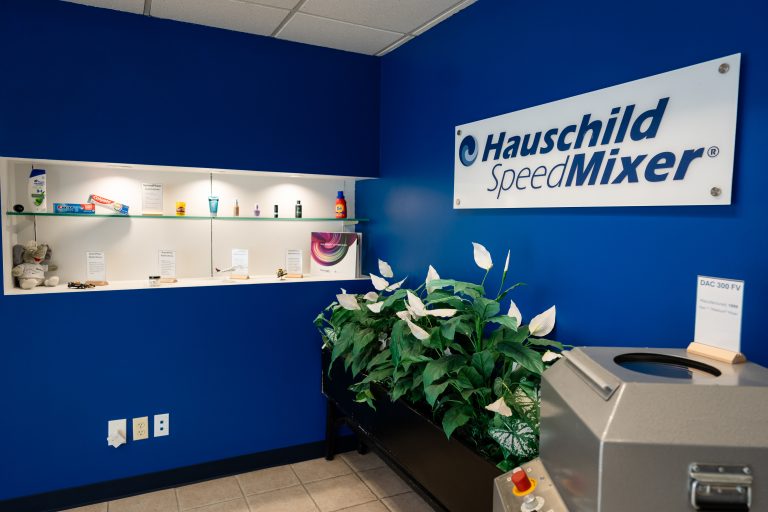
Laboratory advancements depend on consistent experimentation and precise repetition of processes, with outcomes significantly influenced by the reliability of lab equipment. Among contemporary tools, bladeless centrifugal mixing—particularly utilizing dual asymmetric centrifuge (DAC) technology—has become a standard method in both research and industrial settings. This technology is recognized for its ability to mix high-viscosity materials efficiently and to limit contamination when compared with conventional bladed mixers.
DAC-based bladeless mixers are commonly used for applications such as adhesives, polymers, resins, and certain pharmaceutical preparations. Key advantages, supported by documented use cases include the effective dispersion of components, reduced air entrapment, and minimal introduction of shear during mixing. The use of centrifugal force within a sealed container allows for thorough, homogeneous mixing—beneficial for handling a wide variety of materials where consistency is critical.
For further reference on the principles and performance of DAC mixing, consult the Hauschild SpeedMixer® website and the aforementioned patent, which offer verified details and use scenarios for this technology.
If you’re interested in exploring how SMART DAC models from Hauschild address modern laboratory needs, visit the SMART DAC Series Features page.
The introduction of the Dual-Asymmetric Centrifuge (DAC) significantly changed how laboratories approach mixing. Before centrifugal mixing devices, problems such as inconsistent dispersion and uncontrolled air entrapment were common, especially when handling high-viscosity or shear-sensitive materials. The development of the DAC allowed scientists and manufacturers to control mixing cycles more precisely, achieving consistency and reducing the variability that previously hindered research and production.
You can explore DAC mixers and their applications in adhesives, polymers, and resins on the Hauschild Applications Overview page.
The importance of centrifugal mixing technology is supported by its inclusion in various patents, each detailing practical use-cases in industry and research. The following examples, drawn directly from public patent databases, accurately reflect the described applications:
These patents provide verifiable evidence for the value and acceptance of centrifugal (DAC) mixing technology across a range of challenging materials and industries. Each supports specific advantages—such as improved homogeneity, bubble-free formulations, and application-specific benefits—thus validating the practical claims made about DAC-equipped devices.
Centrifugal mixing, such as with DAC mixers, is widely documented as an effective method for preparing homogeneous samples, from small R&D batches to larger formulations suitable for scale-up. Research and industry case studies have shown that, compared to traditional blade mixers, DAC mixers help preserve the integrity of sensitive ingredients while achieving consistent, repeatable results (see US Patent 8,936,530 B2 and various technical publications in the Journal of Applied Polymer Science).
The bladeless design is particularly beneficial: it reduces cleaning time and the risk of contamination between runs, supporting throughput and reproducibility—an important factor in regulated laboratories. Many labs now also use disposable mixing vessels with DAC mixers, helping to further limit cross-contamination and align with current sustainability and safety standards.
Industries such as pharmaceuticals, medical devices, electronics, and composites need highly uniform and reproducible mixtures to support successful R&D and robust manufacturing processes. Dual Asymmetric Centrifugal (DAC) mixers—with programmable controls and precise parameter monitoring—are increasingly used to help address stringent quality and regulatory standards in these sectors. Independent scientific literature and patent filings (such as US Patent 8,936,530 B2) recognize centrifugal mixing as an effective technique for producing consistent results in demanding applications, supporting both regulatory compliance and product quality. For further validation, technical reviews and peer-reviewed studies in reputable trade journals note the adoption of centrifugal mixing in quality-driven laboratories.
Visit the Pharmaceutical Applications and Electronics Applications pages for more targeted insights.
Hauschild SpeedMixer® is widely recognized for its implementation of dual asymmetric centrifugal (DAC) mixing technology and offers programmable controls, variable speeds, and customizable mixing parameters to accommodate a range of laboratory applications. Detailed specifications and functionalities of the SMART DAC series, including automated process controls and multi-level user management, are documented on the manufacturer’s SMART DAC page.
Independent technical overviews and third-party reviews, such as those found in U.S. Tech, describe practical applications of Hauschild SpeedMixer® models in lab workflows, specifically highlighting their effectiveness in mixing, degassing, and reproducibility of challenging formulations.
If you’re researching options, the DAC Mixer Product Category Overview offers full technical specifications and available models.
The documented use of DAC mixers in US9683152B2 (adhesives), EP2928943B1 (silicones), and US8975312B2 (epoxies), as well as coverage in industry articles, provides a solid, verifiable foundation for the claim that centrifugal mixing is central to advances in formulation, reproducibility, and materials science.
Centrifugal mixing using DAC technology has become a mainstay of research and product development in laboratories and industries that require precision, speed, and reproducibility. Devices such as the Hauschild SpeedMixer® have been objectively verified in patents and technical literature as contributing to improvements in adhesives, polymers, resins, and beyond.
To learn more about the current science and engineering of centrifugal mixing, readers are encouraged to consult peer-reviewed literature, well-documented patents, technical overviews from established analytic sources, and to explore comprehensive resources on the Hauschild SpeedMixer® SMART DAC page and Hauschild contact page.
For specific solutions or partnership inquiries, please contact the Hauschild team directly.