Inks, paints, and coatings adorn and protect products and surfaces nearly everywhere we look. Extensive development and testing with modern polymers, pigments, and additives have produced materials that perform & look better than ever. Products may be formulated for construction / home improvement, marine, automotive, aerospace & defense, packaging, publications, security inks for cash & checks, and more. The materials used and the demands of these market sectors are constantly evolving to meet the current environmental / performance requirements and aesthetic trends. That is why it’s necessary to constantly reoptimize old product formulations and develop new products to stay competitive.
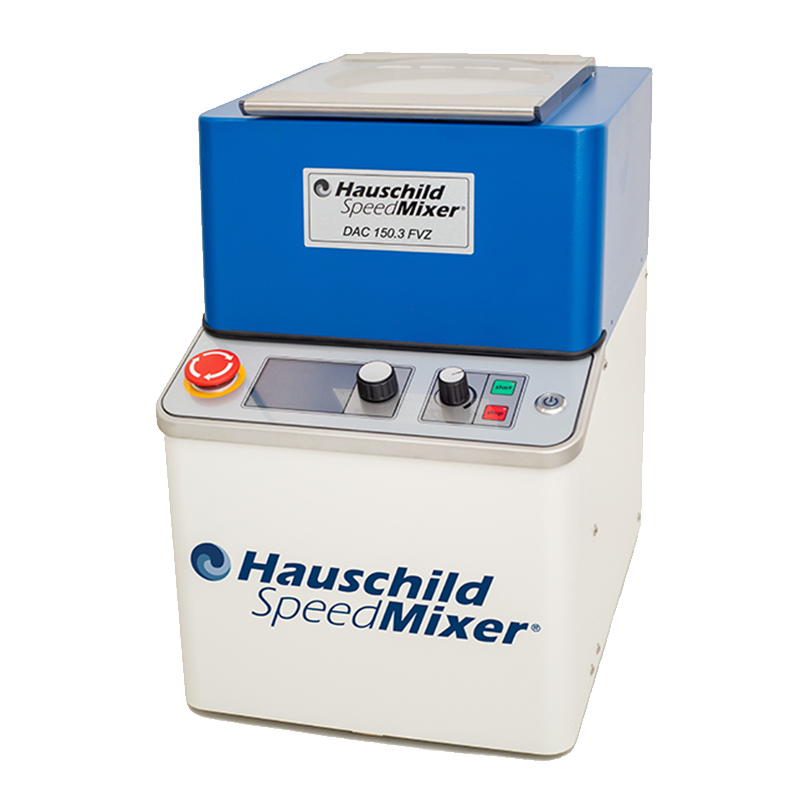
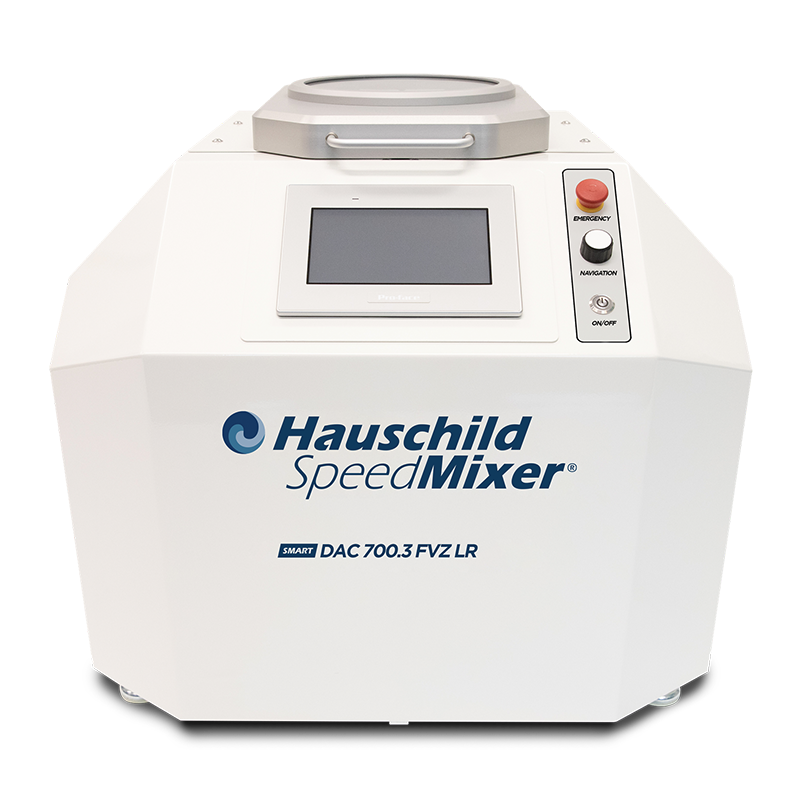
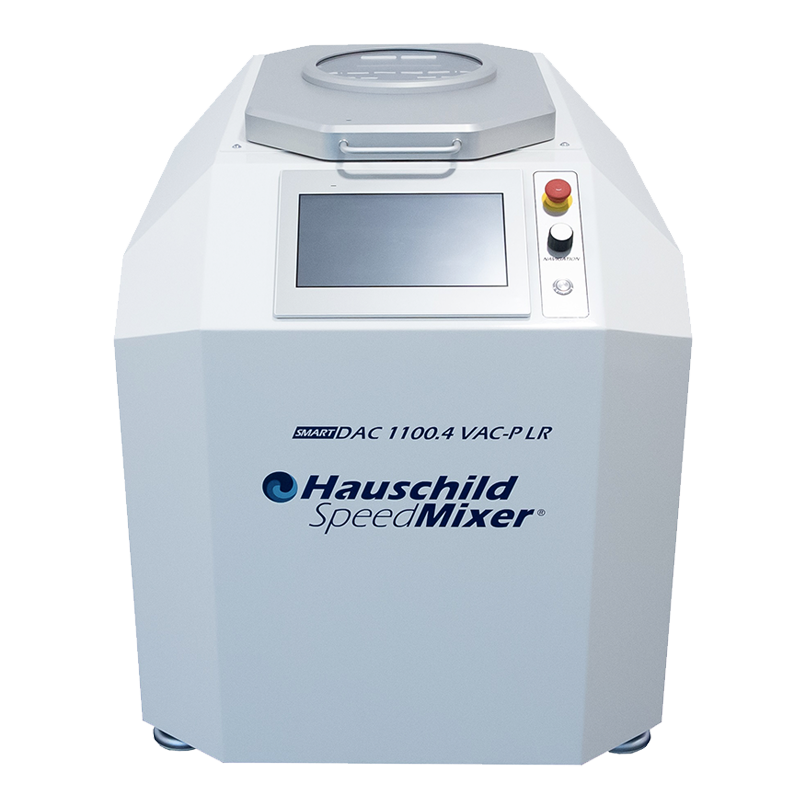
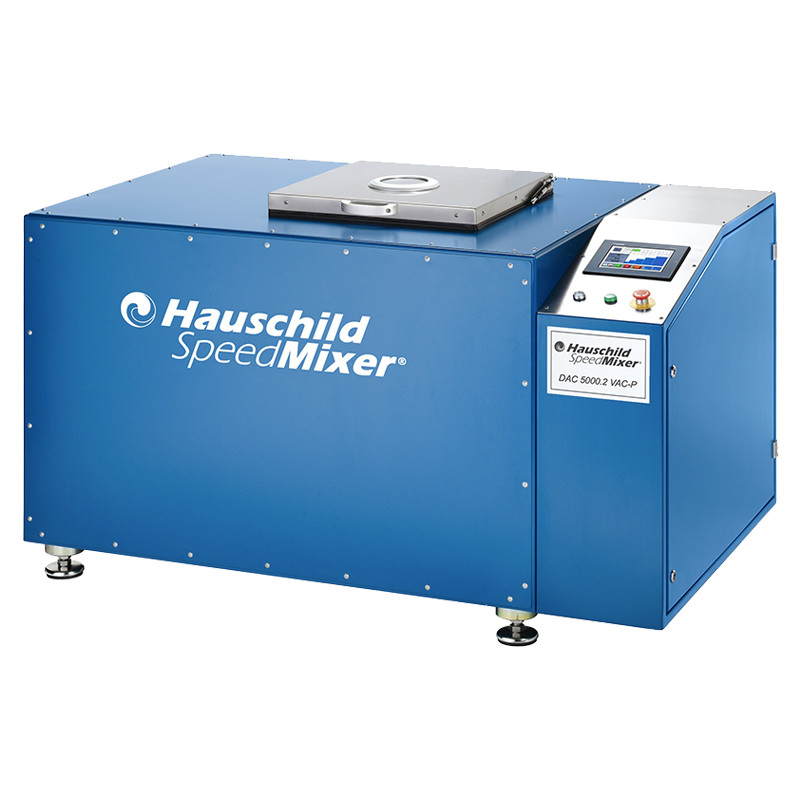
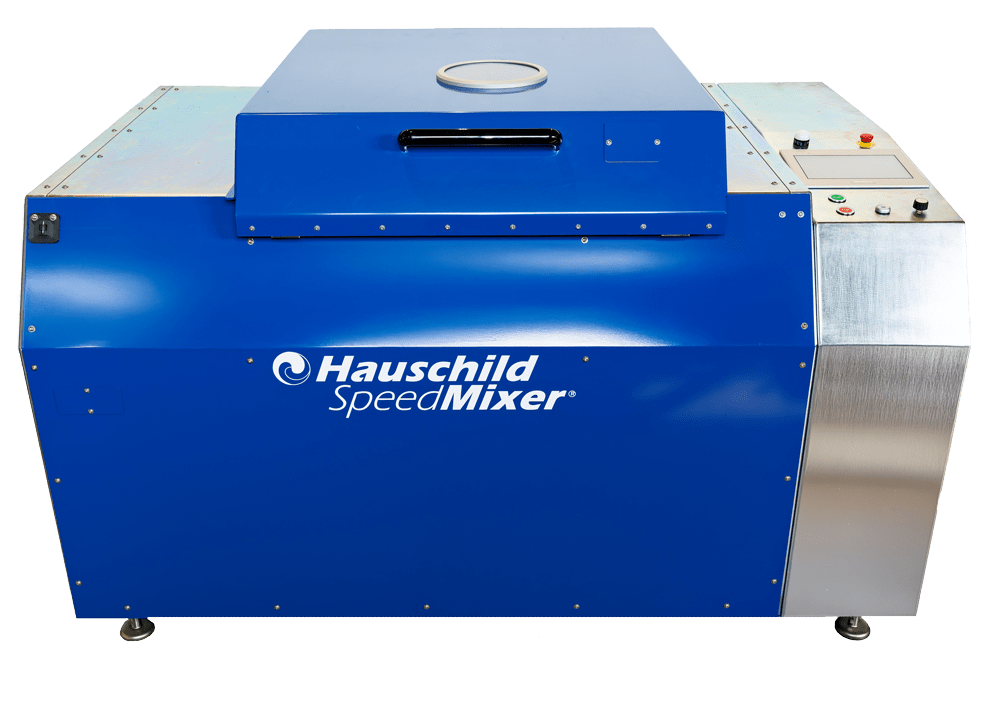
Though these products are generally very easy to work with and apply as a finished goods, research & development and manufacturing often require specialized equipment & processes. High shear milling and dispersion equipment may be necessary to reduce the particle size of pigments or additives to achieve the desired fineness of grind, surface finish, and/or color. High powerful, high-speed mixing is often used to accelerate R&D or manufacturing even in cases where milling and particle size reduction aren’t the main objective. Due to the color and permanence most inks, paints, and coatings are designed to deliver, ease of cleaning of processing equipment is another noteworthy feature. The equipment should be able to be cleaned easily or work with single use mixing vessels & components. This will save time, reduce the use of cleaning solvents, and minimize the potential for erroneous test results cause by cross contamination.