Applications
Aerospace & Defense Epoxy Adhesive Mixing
From epoxy adhesives to potting compounds, achieve superior mixing for high-performance applications.
Aerospace & Defense Applications
Discover how our precision mixers enhance material strength, reliability, and efficiency in the most demanding environments.
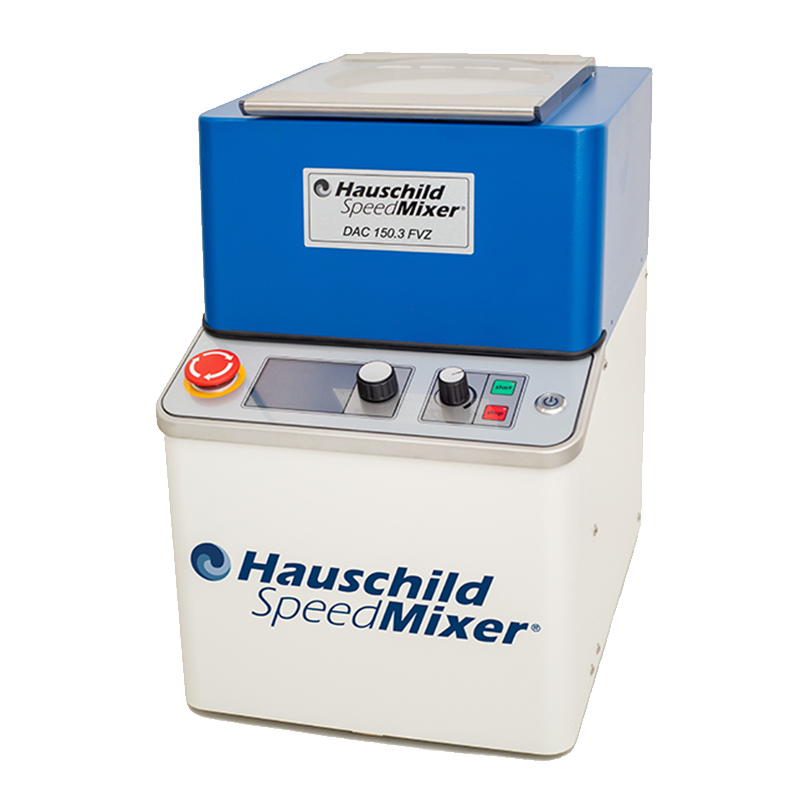
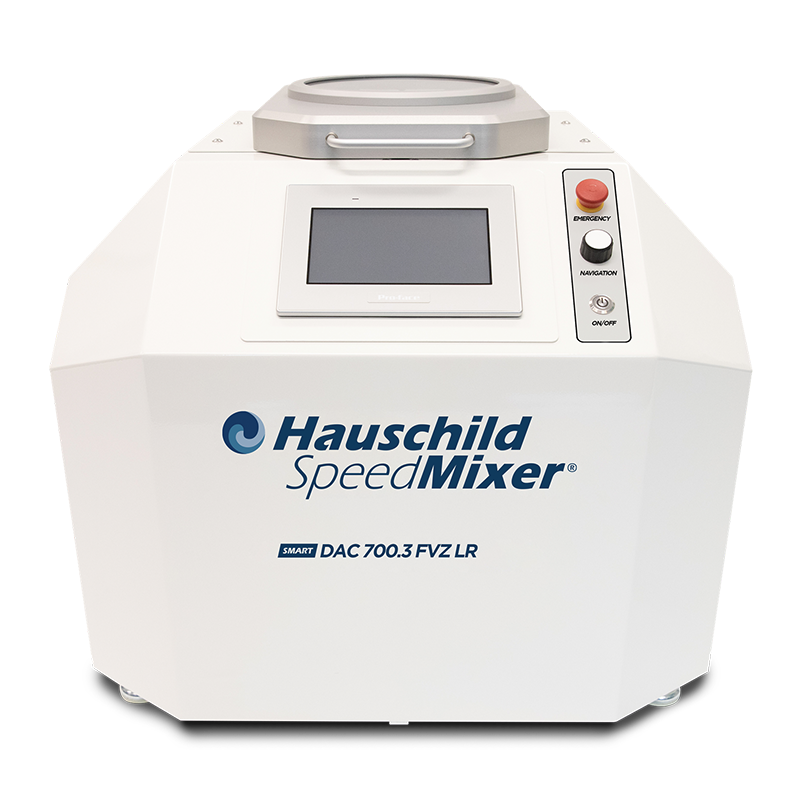
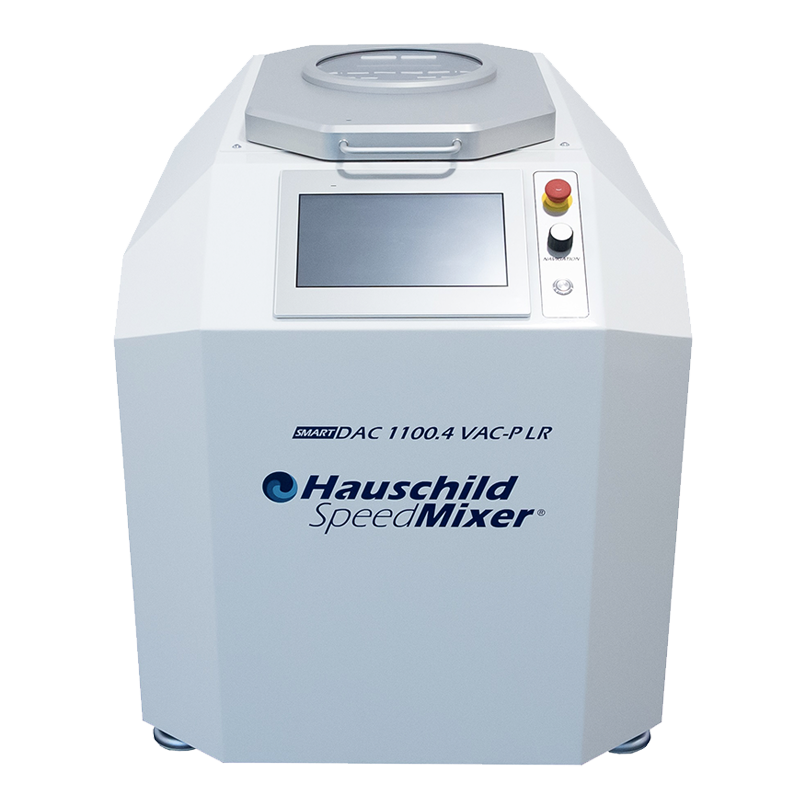
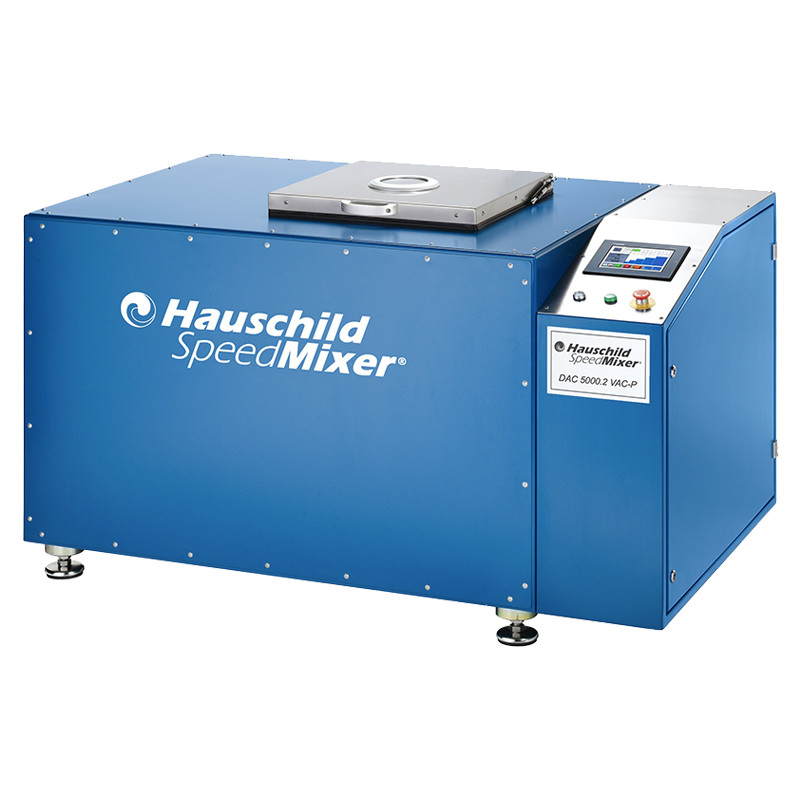
Hauschild SpeedMixer® is at the forefront of delivering innovative mixing solutions tailored to the aerospace and defense industries. This page explores the pivotal role our advanced laboratory mixers play in achieving precise, homogeneous mixtures essential for these high-stakes sectors. From high-performance epoxy adhesives to advanced composite materials, Hauschild SpeedMixer™ ensures unparalleled consistency, reliability, and performance. Our mixers are engineered to meet the stringent quality standards and demanding conditions of aerospace and defense applications. Trust in Hauschild SpeedMixer™ for your mixing needs and benefit from over five decades of cutting-edge technology and industry expertise.

Advantages of Epoxies
- Versatile and easy to work with
- Fast processing and curing
- Low viscosity for coatings or high viscosity for stability
- Excellent compressive strength
- Resistance to cyclic fatigue and high temperatures
Liquid Shim Adhesives
- Fill gaps in aircraft composite structures
- Ensure better load transfer between components
- High compressive strength and resistance to fatigue
- Withstand high temperatures and vibrations
- Excellent gap-filling properties
- Epoxy based adhesives are often used in place of or in addition to traditional fasteners. They provide a strong and permanent bond to a variety of materials like metals, ceramics, composites, and foams. They may be mixed with rheology modifiers like fumed silica, flocking for reinforcement, or beads to control the thickness of adhesive between bonded surfaces.
- To achieve the strongest possible bond, surfaces being bonded must be prepared by cleaning & sometimes roughening, epoxy components and additives must be weighed at the correct ratio as specified by the manufacturer, and the system must be mixed thoroughly. A vacuum degassing procedure is also often used to remove bubbles, dissolved gasses, or volatile content that could otherwise create voids or outgas. Once mixed, the epoxy will start to react and must be applied within the “working time” before it begins to gel or harden. The adhesives can often be packaged into cartridges to make application easier and faster so that nearly all the material can be used within the working time and waste is minimized.
- Without epoxy potting compounds many electronics would be much more delicate. These materials are poured over sensitive components and cured in place to ruggedize the system. The cured epoxy creates a hermetic seal which prevents corrosion, insulates electrical components, and makes components more resistant to vibration or shock.
- Potting compounds must be weighed at the correct ratio, thoroughly mixed, and typically vacuum degassed to achieve the best properties. In extreme cases, it may be helpful to apply the epoxy under vacuum. Additionally, or alternatively, potted components can be degassed after epoxy has been applied in order to remove any bubbles/voids formed during the application process.
- Epoxy based materials make effective gap fillers because they can be filled into nearly any size/shape. They can be formulated to be completely flowable so that they can be poured, pumped, or pulled into place with vacuum. In some cases, rheology modifiers like colloidal or fumed silica and reinforcing materials like ground glass or flocking may be added to reduce sag and/or create a more structural material. In cases where weight, machinability, or sandability are more of a concern, hollow glass micro balloons may be added.
- Flowable materials should be mixed thoroughly at the correct ratio to ensure a complete cure and the optimum physical properties. Vacuum degassing may be necessary in some cases, especially if the material will be cured at elevated temperatures or if the material is being pulled into the part with vacuum.
- Rheology modifiers and flocking can often be mixed in at the time of use or predispersed. If modifiers are being used to create a highly viscous system at the point of use, it may be helpful to first mix additives into the resin only so that the hardener can be added after dispersion is complete. This maximizes the working time. Powders and flocking will also introduce air & voids, so vacuum mixing or degassing is also recommended to achieve optimum physical properties. Resin and hardener can be degassed separately or while mixing depending on the amount of degassing that is required and the working time of the material.
- Glass micro balloons are often predispersed and will float to the top/separate with time. If a material containing predispersed glass micro balloons is used, components should either be pre-mixed individually before mixing together, or the entire kit should be used to ensure the correct mix ratio. If glass microballoons are being added to an epoxy at the point of use, it is important to consider that they are most fragile and likely to break when they are dry. They should be mixed in gently, and once fully wetted, a more aggressive mixing cycle may be used. For systems which are highly filled with micro balloons, vacuum mixing can help lower the effective viscosity while mixing due to the gasses expanding and bubbling out of the material. Complete mixing can then be achieved in less time with a less aggressive mixing method which maximizes working time.
- Flowable materials should be mixed thoroughly at the correct ratio to ensure a complete cure and the optimum physical properties. Vacuum degassing may be necessary in some cases, especially if the material will be cured at elevated temperatures or if the material is being pulled into the part with vacuum.
- Epoxy impregnated fiber is the foundation for many of the highest performance aerospace and defense structures in use today. Materials like woven carbon fiber or carbon filaments may be impregnated with epoxy by using vacuum to draw the resin into the fibers or pre-impregnated with epoxy resin for easier handling and layup.
- Using vacuum to impregnate fibers requires that the fibers are laid up dry. The dry assembly is typically placed in an air-tight bag. Vacuum is then used to draw air out of the bag and pre-mixed epoxy resin into the bag, wetting the fibers.
- Pre-impregnated woven fibers or filament can be cut to shape by a robotic cutting table for easy layup or applied directly by a mechanical filament winder. The materials are often kept refrigerated until use to prevent the epoxy from reacting/curing before the material is cut and formed. Once the layup is complete, the part can be cured quickly in an oven.
Addressing Challenges in Aerospace & Defense
Problem
The aerospace and defense industries face significant challenges in achieving precise, uniform mixtures essential for high-performance materials. Inconsistent mixing can lead to weak points in structural components, compromising safety and performance under extreme conditions.
Solution
Hauschild SpeedMixer™ provides innovative mixing solutions designed to ensure homogenous mixtures of fillers, stabilizers, and other additives. Our advanced laboratory mixers deliver consistent quality and superior material properties, meeting the stringent demands of aerospace and defense applications.
High-Performance Mixing Solutions for Aerospace & Defense
Aerospace and defense applications demand the highest levels of precision, reliability, and performance. From developing advanced composite materials to ensuring the perfect mix of high-performance epoxy adhesives, Hauschild SpeedMixer™ provides the technology needed to meet and exceed these stringent requirements.
Performance Requirements
The aerospace and defense industries have unique performance requirements. Materials must withstand extreme conditions such as high temperatures, pressure, and exposure to various chemicals. Additionally, components must meet rigorous safety and quality standards to ensure optimal performance in critical applications.
The Role of the SpeedMixer™
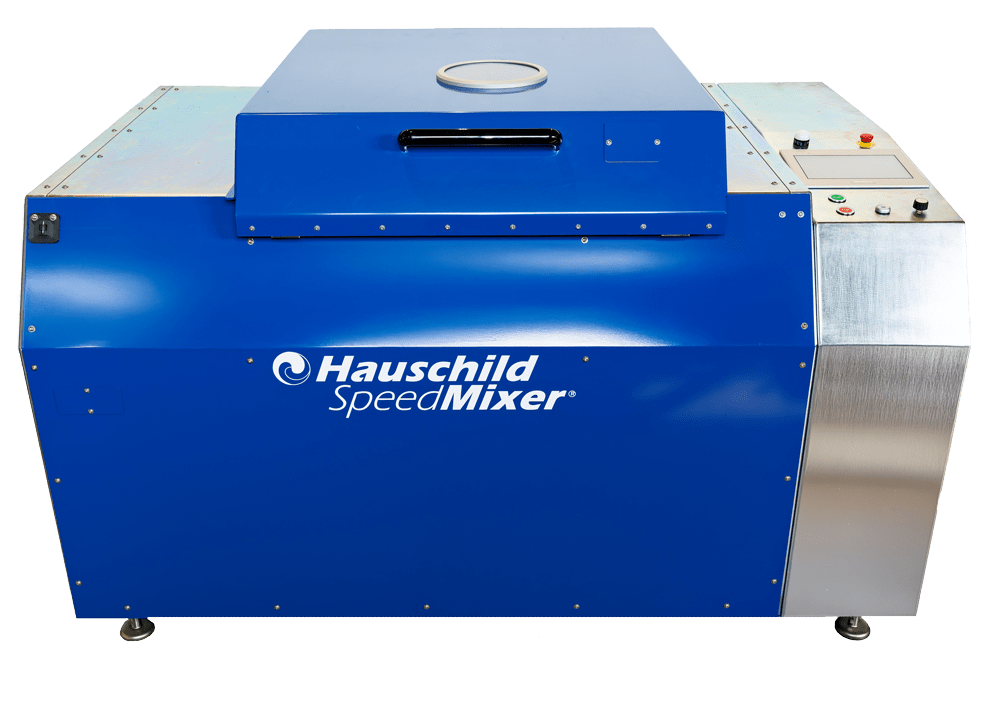
The SpeedMixer™ plays a vital role in the formulation of aerospace and defense materials. It ensures uniform distribution of fillers, stabilizers, and other additives, resulting in homogenous mixtures that meet the stringent demands of these industries. With the SpeedMixer™, you can achieve consistent quality and superior material properties.
Category |
Products |
Applications |
|---|---|---|
| Epoxy Adhesives | Huntsman EpoCast 1652 3M Scotch-Weld Epoxy Adhesive DP420 Henkel Loctite EA 9396 | Aircraft structural bonding Satellite assembly Missile components |
| Composite Materials | Hexcel HexPly® Prepreg Cytec Cycom® 977-2 Toray T800S | Aircraft fuselage Rotor blades Spacecraft structures |
| Sealants | Parker LORD 7800 Urethane Dow Corning 730 FS PPG PR-1440 | Fuel tanks Aircraft windows Sealing of electronic components |
Watch: High-Performance Epoxy Adhesive for Aerospace & Defense Applications
Learn advanced epoxy adhesive solutions designed to meet the rigorous demands of aerospace and defense industries, ensuring reliability and superior performance.