The Essential Role of Genuine Parts in Precision Machinery and Technology
The Essential Role of Genuine Parts in Precision Machinery and Technology
Every industry reliant on advanced machinery shares a fundamental truth: components matter. From aerospace engines to medical devices and industrial mixers, the performance, safety, and reliability of a machine hinge on the quality of its parts. Genuine parts are not a luxury; they are a necessity. They represent precision-engineered components designed to meet exact specifications, ensuring optimal functionality and compliance with rigorous standards. The use of non-genuine components introduces unnecessary risks, ranging from inefficiencies and shortened equipment lifespan to crashes in mission-critical situations.
While this article will transition into a focused discussion on Hauschild SpeedMixer’s unique role as the sole manufacturer of the original SpeedMixer, the primary focus is broader. By examining real-world case studies, we’ll see how the use of non-genuine parts impacts various industries. We’ll explore instances from aerospace to automotive to medical devices, highlighting the costs of cutting corners on component quality and underscoring why authenticity is non-negotiable.
The Importance of Genuine Parts
A machine is only as good as the sum of its components. Genuine parts, designed and tested by the original equipment manufacturer (OEM), ensure harmony between all parts of a system. They are created to deliver consistent performance under a variety of conditions. Non-genuine or counterfeit parts, however, often fail to meet these impeccable standards.
Engineered to Match Precision Systems
Every part in a machine has specific tolerances and material requirements calibrated to ensure the system works efficiently. A slight change in the geometry of a component can disrupt a system’s balance. Consider aerospace turbines, where tolerances are measured in microns. A blade slightly out of alignment can lead to cascading failures across the engine.
This principle applies across industries, from industrial mixers to medical equipment. The correct interaction of parts ensures reduced wear, minimal downtime, and uniform results. Without these assurances, organizations are left to pay a steep price for disrupted production or performance failures.
Longevity, Cost Savings, and Compliance
Non-genuine parts often wear down faster due to less stringent testing during manufacturing or the use of substandard materials. This increases maintenance costs, reduces the operational life of the equipment, and can lead to catastrophic events. Beyond operational setbacks, the ramifications include regulatory non-compliance and lasting reputational harm. Organizations that rely on third-party components risk product recalls, legal actions, and audits.
Case Studies That Highlight the Risks
The implications of using non-genuine parts come into full focus when we examine real-world scenarios. Across various industries, cases of counterfeit components causing costly or disastrous outcomes abound. Below, we’ve expanded and added new cases to emphasize the stakes.
1. Aerospace Turbine Engines and Counterfeit Magnets
A particularly high-profile example of non-genuine component usage emerged in the aerospace sector when counterfeit magnets were found in the sophisticated turbine engines of F-35 fighter jets. These magnets, sourced from unauthorized suppliers in 2022, failed to meet procurement standards and raised alarms within a program already considered critical for national security.
Aerospace Turbine Engine
While investigations concluded that the counterfeit magnets did not pose immediate safety risks, the discovery resulted in significant disruptions. Manufacturing was halted, suppliers were scrutinized, and the reputation of the contractors involved came under question. The financial impacts were substantial, with costs incurred from redesigning procurement processes and replacing improper parts.
Implications for the Industry:
Loss of production time caused delays in fulfilling defense contracts.
Trust between manufacturers and their suppliers was compromised.
Governments tightened regulations, increasing scrutiny on global supply chains.
2. Automotive Failures Due to Counterfeit Airbags
Automotive Airbag Failure
The automotive sector offers perhaps one of the most stark examples of the dangers of non-genuine parts. One notorious case concerns counterfeit airbags. These knockoffs failed to deploy properly during collisions or released shrapnel upon inflation. Notable incidents like the Takata airbag scandal, although primarily linked to design flaws within Takata-manufactured airbags, spurred a wave of counterfeit airbags entering the market to meet soaring demand for replacements.
Many of these non-genuine airbags were later found to increase the likelihood of fatalities during collisions.
Implications for the Industry:
Car manufacturers and dealerships spent millions dealing with recalls and liability lawsuits.
Consumer trust eroded, forcing automakers to invest in stringent awareness campaigns.
Counterfeit parts underscored the inadequacy of quality checks in global supply chains.
3. Electronics and Consumer Devices
One of the most well-documented instances of counterfeit parts concerns batteries used in mobile electronics. For years, counterfeit lithium-ion batteries have circulated in markets worldwide. The consequences of using low-grade battery cells are severe, ranging from reduced energy output to outright explosions. Apple has consistently advised against non-genuine components due to such risks, implementing rigorous repair policies to prevent unauthorized replacements.
Counterfeit batteries and chargers forced companies to overhaul warranty policies.
Safety concerns led to stricter sales regulations on third-party electronics components.
Consumers faced personal safety hazards, spurring negative headlines for manufacturers.
4. Medical Devices and Patient Safety
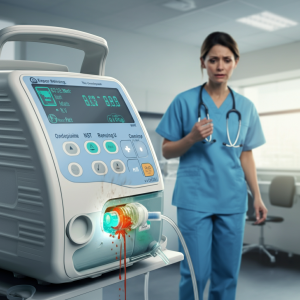
The medical device industry operates within some of the most stringent regulatory environments due to the direct implications for patient health. Despite this, counterfeit components still find their way into critical devices like infusion pumps, prosthetics, and ventilator systems. A study published in the Journal of Medical Devices highlighted cases where unauthorized seals in infusion pumps caused leaks and system failures, leading to incorrect dosages of medication being administered to patients.
Medical device manufacturers face heightened liability and class-action lawsuits.
Patients are put at significant risk, compromising healthcare outcomes and trust in institutions.
Regulating bodies like the FDA imposed heavier fines on companies negligent in their supply chain monitoring.
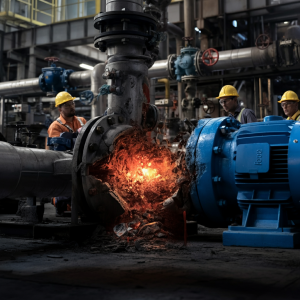
Industrial Pump Failure
5. Industrial Manufacturing Pumps and Motors
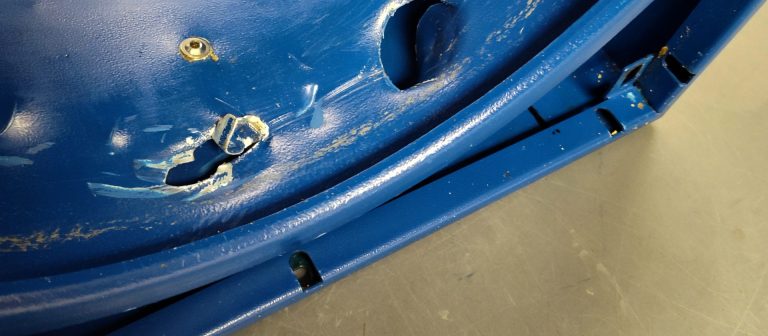
Counterfeit seals in industrial and chemical plants have caused significant downtime and material losses. For example, a study conducted by a major European manufacturing organization found that counterfeit pump parts degraded four times faster under high-pressure chemical applications. This led to localized failures, contamination of active processes, and eventual system-wide shutdowns.
Implications for the Industry:
Companies incurred millions in wasted raw materials and operational delays.
Brand reputation suffered as clients questioned reliability.
Maintenance schedules increased in complexity due to the increased need for early inspections.
The Critical Role of Hauschild SpeedMixer
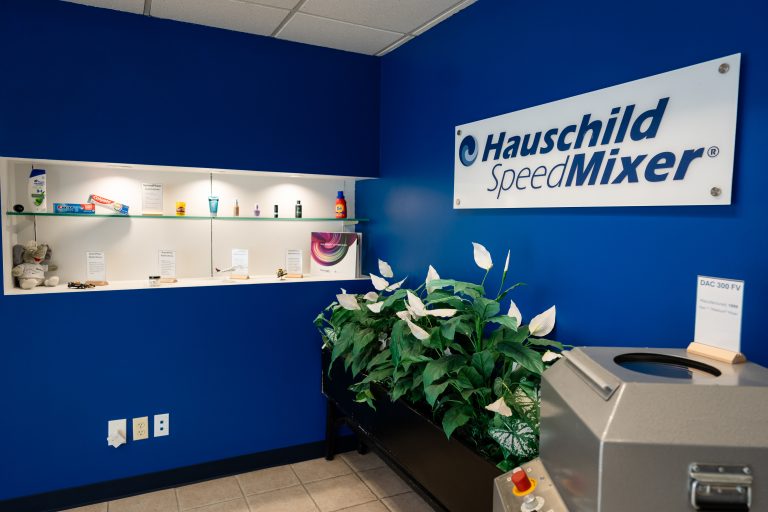
Transitioning from general examples of counterfeit component failure, we highlight the singular importance of using genuine components in cutting-edge technologies like industrial mixing. While there are many industrial mixers on the market, only one name is synonymous with precision. Hauschild SpeedMixer, the sole manufacturer and inventor of the original SpeedMixer, stands apart for its exceptional performance backed by proprietary engineering.
Why Hauschild SpeedMixer Is Unmatched
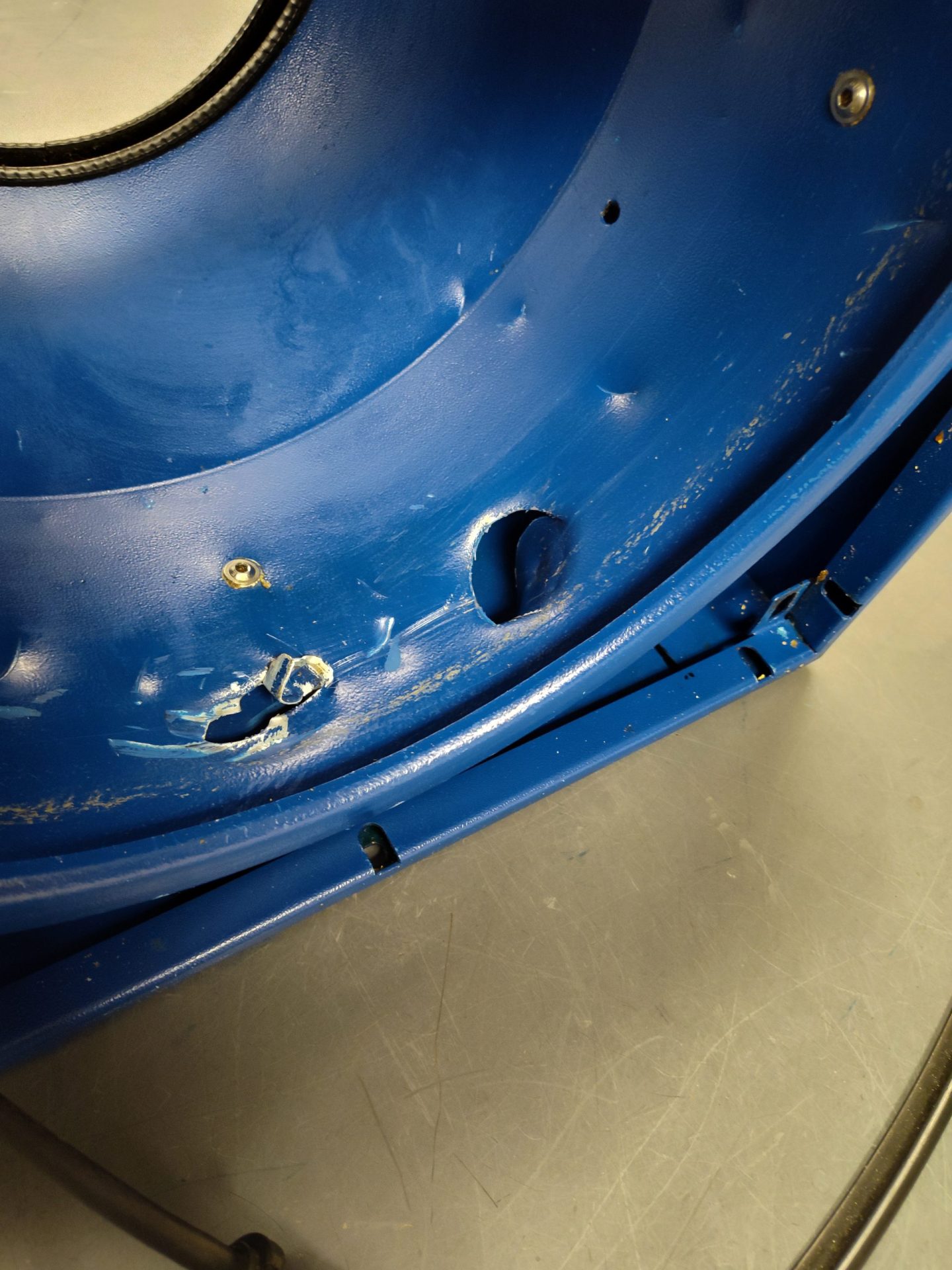
Hauschild SpeedMixer uses its patented dual asymmetric centrifugal mixing technology to deliver perfectly homogenous, air-bubble-free results. Every part of this machine—from the mixing blades to the seals—is manufactured to the highest specifications. The introduction of counterfeit or third-party parts into this system can destabilize its entire operation.
Instances Where Non-Genuine Parts Fail in SpeedMixers:
Material Contamination: Faulty seals allow contaminants to enter, degrading product quality.
Precision Loss: Subpar blades introduce inconsistencies, especially significant in pharmaceuticals.
Wear and Tear: Low-quality components degrade prematurely, raising operating costs.
Industries relying on SpeedMixers cannot afford to take these risks. Hauschild SpeedMixer’s reputation rests on its ability to deliver flawless results in sectors like aerospace, pharmaceuticals, and electronics.
Final Thoughts on Precision Engineering & OEM Parts
From the aerospace sector to the medical field, the evidence is overwhelming. Genuine parts are the backbone of modern engineering and production. Using counterfeit components introduces unnecessary risks—not just to machinery but to lives, reputations, and regulatory compliance.
For industries using cutting-edge mixing technology, Hauschild SpeedMixer exemplifies the standards set by authentic components. Its unparalleled expertise ensures no compromises in quality or performance. Always source OEM components to protect your investment and ensure reliability.
Invest in reliability. Invest in safety. Choose genuine. For further insights or parts verification, visit Hauschild SpeedMixer.